Most people ignore their water heater.
It sits in a basement, garage, or closet and runs quietly, just making hot water every day.
Until… one day it doesn’t.
A cold shower often reveals a problem that’s been building for years, and in many cases, the issue comes down to a pretty simple maintenance task that most homeowners just forget about or don’t know about:
Flushing the tank.
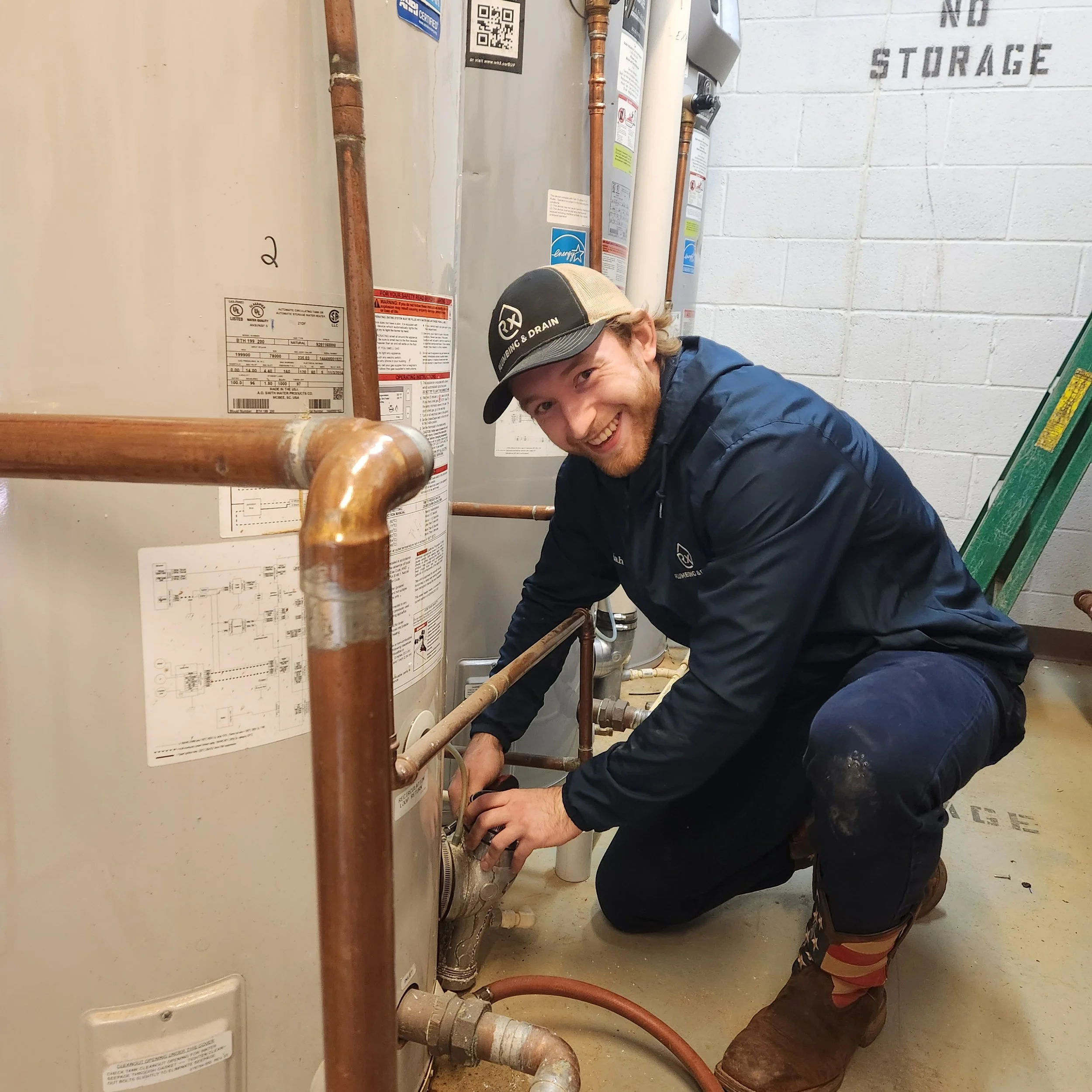
Does Water Heater Maintenance Matter?
Water heaters are juggernauts, just churning along all day for your showers, laundry, dishes, etc.
All that hot water comes from one tank.
But here’s the thing most people overlook: the water entering your home carries minerals like calcium and magnesium that settle at the bottom of the tank.
Over time, all of these tiny minerals form a thick layer that we call sediment.
What Does Sediment Do to a Water Heater?
You won’t notice the sediment building up at first, because your water heater will keep running just fine. But, the layer grows thicker each and every year if it’s not flushed.
That sediment eventually blocks heat from reaching the water above it, causing the heater to work harder to compensate.
And that’s what ends up actually causing the problems.
Signs Sediment Is Building in Your Water Heater
Your system will usually give a few warnings.
Watch for these signs:
Hot water runs out faster than usual
The tank makes popping or banging sounds
Water looks cloudy or rusty
Energy bills increase without explanation
Each of these signs can point to some pretty significant sediment buildup, and ignoring them can shorten the life of the heater or result in parts needing to be replaced.
Why Is My Water Heater Making Popping Noises?
Strange noises from a water heater are actually common, so don’t panic!
When water becomes trapped under the sediment layer, it begins to boil when heated. This causes bubbles to break through the hardened deposits which makes loud popping or cracking sounds. A lot of homeowners are immediately convinced that their water heater is about to explode, but you can relax!
Most of the time, the tank simply needs to be flushed.
What Does Flushing a Water Heater Do?
Flushing removes a bunch of that sediment from the tank.
During the flushing process, the tank is drained completely and fresh water then runs through the system to wash out as much of the mineral deposits as possible.
A simple water heater flush helps in several ways:
Restores heating efficiency
Reduces noise
Protects the tank from long-term damage
Regular flushing should be non-negotiable, because it legitimately extends the life of the water heater.
How Often Should I Flush My Water Heater?
Most manufacturers recommend flushing their tanks once a year, but homes with harder water may need it more often, so an annual flush can be considered your minimum.
Mineral content varies across North Georgia and some homes in Cumming, Alpharetta, or Johns Creek can experience buildup faster than others.
Either way, annual maintenance keeps sediment from becoming a serious problem.
Why Do Homeowners Skip Water Heater Maintenance?
Water heaters are easy to forget! We don’t blame you. As a plumber, they’re top of mind because I handle them everyday.
Unlike air filters or smoke detectors, there’s no built-in reminder to service them, so you have to set your own alarm. Many homeowners don’t even know about flushing in the first place! Others assume the heater will simply last forever without maintenance.
But, just like with anything, neglect shortens the life of the tank.
What Happens If I Never Flush the Tank?
Sediment will only keep building, and each year the layer grows thicker. Eventually the deposits harden at the bottom of the tank, and once that happens… flushing becomes less effective. The heater also begins overheating the metal underneath the sediment, which weakens the tank and can cause a leak.
A tank with a leak cannot be fixed; the whole unit must be replaced.
A leaking water heater can also cause damage to that area with water spreading across floors or into walls. If there’s a floor beneath your tank, the leaks can damage the ceilings below the heater.
Replacing a failed tank is far more expensive than performing simple maintenance.
Can I Flush a Water Heater Myself?
Some homeowners do it themselves without any issue.
In short, here’s how the process goes:
Shut off power or gas
Attach a hose to the drain valve
Empty the tank into buckets
But, problems can occur:
Sediment can clog the drain valve
Older valves can break when opened
Incorrect steps can damage the system
A lot of homeowners prefer professional service to avoid these risks, but it’s completely up to you.
Other Maintenance That Protects Your Water Heater
Flushing is the most important maintenance step, but a few other checks can help extend the heater’s life.
The Anode Rod
Inside every tank is a metal rod. This rod sacrifices itself to prevent corrosion and dissolves over time.
When it disappears fully, the tank begins rusting, so replacing the rod when it’s time can add years to the heater’s life.
The Temperature and Pressure Valve
This valve prevents dangerous pressure buildup.
It must work properly to protect the tank, so checking it annually is good practice.
Water Pressure
High water pressure stresses plumbing systems and shortens the lifespan of water heaters.
A quick pressure check ensures the system stays within safe limits.
Water Heater Maintenance in Cumming, Alpharetta, and North Atlanta
Many homeowners in North Georgia wait until their heater fails, but by that point, replacement is the only option.
At Rx Plumbing & Drain, we regularly service water heaters throughout Cumming, Alpharetta, Johns Creek, and the surrounding Atlanta area.
Give us a call if you need quick, clean, and courteous service.
When Is it Time to Replace My Water Heater?
Maintenance helps, but tanks do not last forever.
Most water heaters last around 10 to 12 years, so if your unit is older than that, replacement may be the better option.
Some warning signs that it’s time for a replacement include:
Rust forming on the tank
Water leaking from the base
Frequent repairs
Dramatically reduced hot water
At one point or another, installing a new unit often makes more sense than continuing repairs.
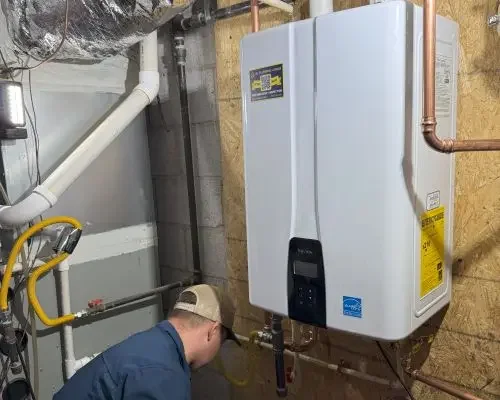
For example, we recently installed a tankless water heater in Suwanee for a customer after their traditional water heater began leaking and was better off being replaced. After asking us for our professional advice, they decided that their family needs would do better with a tankless rather than a traditional water heater.
FAQs: Water Heater Maintenance
Do gas and electric water heaters both need flushing?
Yes. Both types accumulate sediment inside the tank over time.
Does flushing really extend the life of a heater?
Yes. Removing sediment reduces stress on the tank and heating elements.
Do tankless water heaters need maintenance?
Yes. Tankless systems must be descaled periodically to remove mineral buildup.
How long does water heater maintenance take?
Most service visits take about an hour for our team.
How often should a water heater be flushed?
Once per year is recommended for most homes.
The One Plumbing Maintenance Task Most People Forget
Water heaters are easy to overlook because they work quietly in the background of daily life. But like any appliance, they need annual care.
Flushing the tank once a year protects the water heater, improves efficiency, and helps prevent costly failures.
Prevent a huge plumbing failure tomorrow by scheduling a maintenance check today. This isn’t overkill. This is normal and necessary.
Thanks for reading!