Why You Shouldn’t Pour Boiling Water Down the Sink
You finish boiling water for pasta or tea, and there’s some left in the pot. The sink is right there. You dump it in. It’s a habit that you don’t even think about, because it makes sense to pour excess water down the drain. Where else would it go?
At Rx Plumbing & Drain, we’ve seen what happens when people pour boiling water down their kitchen sink over and over again. The signs aren’t always immediate. But sooner or later, the damage shows up in leaks, warped pipes, or worn-out seals that finally give out.
Let’s walk through what boiling water really does to your plumbing, why it matters more than you think, and what you should do instead. This isn’t a myth, so let’s get into it.
Can Boiling Water Damage PVC or ABS Pipes?
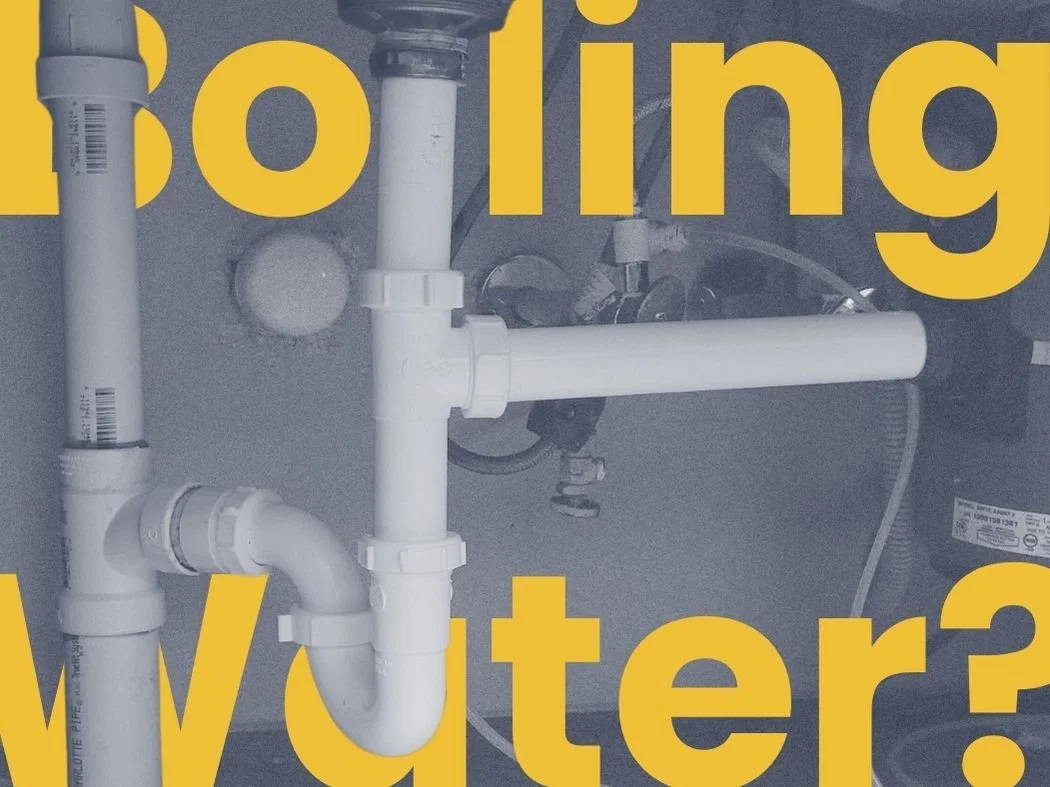
Here’s the issue: most kitchen drains are made of PVC or ABS plastic. These are solid, reliable materials. But they aren’t invincible.
Boiling water hits 212°F. PVC and ABS start to soften around 140–160°F. That doesn’t mean the pipe melts instantly. But it does mean the material begins to lose strength and shape with repeated heat exposure.
It’s not the kind of thing you notice after one pour. But keep dumping boiling water down the same section of pipe, and the damage adds up. The pipe can warp. The glue used to seal joints can start to loosen. Rubber gaskets dry out and fail.
The result? A leak that didn’t exist before. A joint that used to be tight but now drips slowly into the cabinet below. A section of pipe that needs to be replaced because it bowed under heat stress.
Is Boiling Water Bad for Garbage Disposals?
If you have a garbage disposal under the sink, boiling water is even riskier.
Disposals are packed with seals, bolts, and bearings. Most of these components aren’t designed to handle high temperatures. Boiling water can dry out rubber seals, shrink gaskets, and weaken the interior parts.
It’s not uncommon for homeowners to suddenly see water leaking from the bottom of their disposal. And the heat is often the reason why.
How to Tell If Boiling Water Has Damaged Your Drain Pipes
You won’t always see a problem right away. But these signs usually point to heat-related wear and tear:
Slow leaks or water spots under the sink
A musty smell inside cabinets
Seals that feel loose or pipe joints that shift when touched
A garbage disposal that drips from the bottom or feels shaky when turned on
If you notice any of these, check your plumbing closely or call someone who can.
What’s the Safest Way to Dispose of Boiling Water at Home?
If you’ve got hot water to get rid of, don’t dump it straight into the drain.
Instead:
Let the water cool for 5 to 10 minutes before pouring
Transfer it between containers to speed up the cooling (every pour loses about 20°F)
Run cold water at the same time to lower the temperature in the pipe
These simple steps help protect your plumbing from temperature shock. They take almost no effort but can save you hundreds of dollars down the road.
Should You Use Boiling Water to Unclog a Drain?
Many people think boiling water helps clear a clog. It doesn’t. In fact, it can make things worse.
If grease is the problem, boiling water might melt it for a moment, but only long enough to carry it further down the line. There, it cools and hardens again. Now the clog is deeper and harder to reach.
If the clog is food, soap, or debris, boiling water doesn’t break it up. It just sits in the pipe, heating everything around it. Including the seals, glue, and pipe walls.
Skip the boiling water. If your kitchen sink isn’t draining, try safer options first:
Use a plunger with a good seal
Pour in baking soda followed by vinegar and wait 15 minutes
Flush with hot (not boiling) water
Use a manual drain snake if you’re comfortable with it
At Rx, we often clear severe clogs using hydro-jetting. It’s clean, powerful, and doesn’t risk damaging the pipes.
How to Prevent Drain Damage in the Kitchen
Most plumbing issues in kitchens come down to habits.
To keep your drains clean and damage-free:
Never pour fats, oils, or grease down the sink
Don’t treat your disposal like a trash can
Use a strainer to catch food scraps
Rinse the sink with warm water after heavy use
Boiling water feels like a shortcut. But over time, it’s actually just a shortcut to bigger issues.
What to Check Under Your Sink if You’ve Poured Boiling Water
If you’ve been pouring boiling water down your drain for years, check underneath the sink for damage. Look at the pipe joints. Touch the seals. Run the water and shine a flashlight around the cabinet. Feel for dampness. Listen for slow drips. Even small leaks cause damage over time, especially if they go unnoticed. Catching them early is always cheaper than fixing a collapsed pipe system later.
FAQ: Kitchen Drain Damage from Boiling Water
Can boiling water really damage plumbing?
Yes. The glues, seals, and gaskets around joints and fittings soften, dry, and crack with heat, warping over time.
What temperature is safe for my pipes?
Keep it under 160°F to stay on the safe side. Let water cool before pouring, or run cold water while you pour.
How do I know if boiling water caused damage?
Look for slow leaks under the sink, loose joints, or a musty smell. If your garbage disposal leaks from the bottom, heat damage may be the cause.
Should I ever use boiling water to fix a clog?
No. It’s not effective and can make the clog worse by pushing grease or gunk deeper into the pipe.
How should I dispose of boiling water?
Let it sit and cool first, or transfer it between containers to speed up cooling. If needed, run cold water while pouring to bring the temperature down fast.
What should I do if I suspect damage?
Inspect your plumbing closely or call Rx Plumbing & Drain. We’ll check it out and explain what’s going on without pressure or upselling.
Protecting Your Kitchen Plumbing From Heat Damage
This isn’t about scare tactics. It’s about paying attention to something small before it becomes expensive. Pouring boiling water down your kitchen sink might feel harmless. But day after day, it slowly breaks down the materials keeping your plumbing watertight.
Want to protect your sink, pipes, and disposal? Let the water cool. Or at least run the tap while you pour. These small changes matter. And if you ever see drips, hear gurgles, or smell something off under the sink, give us a call.
Rx Plumbing & Drain serves Cumming, Alpharetta, Johns Creek, and the surrounding North Atlanta area. We're licensed, insured, and experienced in fixing problems; big or small.