How Do I Know If My Water Pressure Is Too High?
Most of us love strong water pressure. When the shower feels like an industrial-grade carwash and the sink faucet can cut diamonds, that’s when you know you’ve made it. Everything seems to work better with pressure, right?
But there is such a thing as too much pressure.
In fact, high water pressure is a common culprit of plumbing problems that we find in homes across Cumming, Alpharetta, Johns Creek, and the rest of North Atlanta.
The worst part is that a lot of you don't realize there's a problem with your heightened pressure until something starts leaking. So let's talk about how to check your water pressure, what pressure is considered too high, and why it even matters.
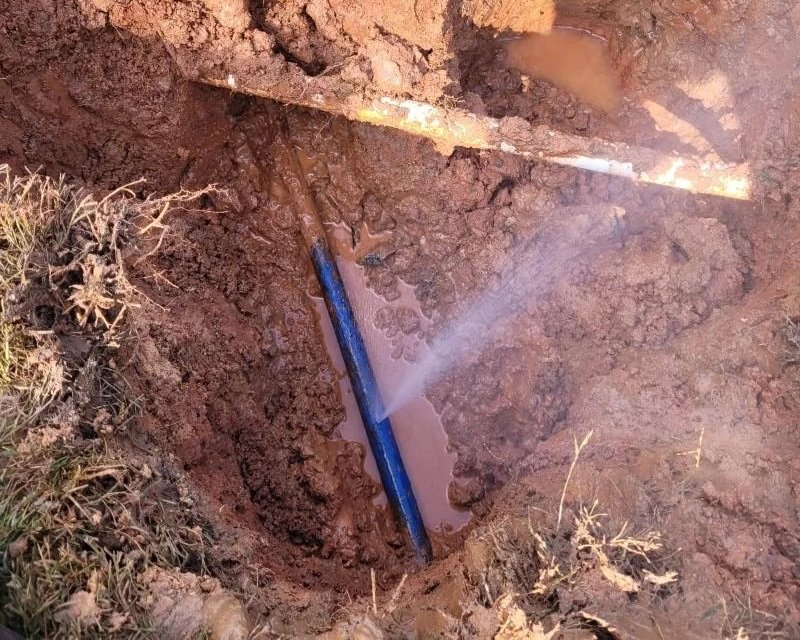
What Is Considered High Water Pressure in a House?
Most homes operate best between 50 and 70 PSI (pounds per square inch). If you’re sitting above 80 PSI, you’d benefit from lowering it, or else your plumbing system and fixtures will experience extra stress every second of every day.
It’s like driving your car at redline all day long. The engine might survive for a while, and it might feel and sound cool, but your parts will wear out much faster. Your plumbing works the same way.
How Do I Check My Home's Water Pressure?
Here’s the good news: checking water pressure is easy, cheap, and only takes a quick trip to your local hardware store.
Steps to Check Your Home’s Water Pressure:
Buy a water pressure gauge.
Make sure no water is running inside the house.
Screw the gauge onto an outdoor hose bib or laundry faucet.
Turn on the faucet fully.
Read the pressure.
If the reading is above 80 PSI, your pressure is too high. If it's over 100 PSI, you should address the issue sooner rather than later.
What Are the Signs of High Water Pressure?
Sometimes a gauge isn't even necessary. Your plumbing system may already be trying to tell you something.
Common signs include:
Loud banging pipes
Toilets that run intermittently
Dripping faucets
Short water heater lifespan
Appliance hose failures
Frequent plumbing leaks
Water hammer noises when fixtures shut off
Many homeowners notice one of these issues and think the problem is something other than the root cause itself: high water pressure. It’ll keep recurring until you lower your pressure to a better level.
Why High Water Pressure Is Hard on Pipes
Water under pressure is an insanely powerful force. Every fitting, joint, valve, and connection in your plumbing system experiences that force around the clock. A little extra pressure might not seem significant to you, but over months and years, that constant stress wears the components out until something eventually gives up.
Can High Water Pressure Cause Plumbing Leaks?
Absolutely. In fact, this is one of the biggest risks.
Pipe joints are often the first areas to fail in these common areas:
Under sinks
Behind walls
In ceilings
Beneath slabs
Along underground water lines
We've responded to many leak calls where excessive pressure was the root cause. The leak gets fixed, but unless the pressure is corrected by a savvy plumber, another weak point may fail later.
Can High Water Pressure Damage a Water Heater?
Yes. Water heaters suffer heavily from excessive pressure. The tank, valves, fittings, and internal components all experience more strain than they were designed to handle.
This can lead to:
Leaking relief valves
Premature tank failure
Increased sediment disturbance
Shorter equipment lifespan
If you've read our previous water heater blogs, you already know that water heaters are one of the hardest-working appliances in your home. Adding excessive pressure only accelerates wear.
Why Washing Machines and Dishwashers Fail Early
It’s not uncommon to think that high water pressure only affects the pipes, but your appliances suffer too.
Every wash cycle subjects appliance hoses and internal valves to the full pressure of your plumbing system. Over time, that stress adds up, and a failed washing machine hose can dump a surprising amount of water into a home within minutes.
The same applies to dishwashers, refrigerators, and ice maker lines. We’ve seen countless homes require water damage restoration after an appliance failure from high water pressure.
What Is a Pressure Reducing Valve (PRV)?
Most homes with municipal water have a pressure reducing valve, often just referred to as a PRV.
Its job is simple.
It reduces incoming city pressure to a safe level before the water enters your home's plumbing system. Without a properly functioning PRV, pressure can climb well above recommended levels. Sometimes the valve fails slowly, and other times it fails suddenly.
We've measured homes in North Georgia with pressures exceeding 120 PSI due to a failed PRV. As you know by now, that's far beyond what most plumbing systems should handle.
How Do I Know If My PRV Is Failing?
A few clues can point to a failing pressure regulator.
Watch for:
Sudden pressure changes
Very strong pressure throughout the house
Banging pipes
Frequent leaks
Toilets that refill unexpectedly
The only way to know for sure is to test the pressure yourself with those quick and easy steps.
Why Water Pressure Problems Are Common in North Atlanta
Cities occasionally make adjustments to their water systems and new developments also affect municipal infrastructure. As communities grow, water pressure can fluctuate. And if there’s one thing that’s true about our region, it’s that it’s growing. A lot. And Fast.
That's one reason we regularly check pressure during plumbing inspections throughout Cumming, Alpharetta, Johns Creek, and nearby areas. A simple pressure test can uncover problems before they become expensive repairs.
How Can I Lower Water Pressure in My Home?
If your pressure is too high, the solution usually involves adjusting or replacing the PRV. This isn't typically a DIY project, but it can be. The valve affects the entire plumbing system and improper adjustments can create new problems, so keep that in mind before moving forward.
RX Plumbing and Drain can test the pressure, inspect the valve, and determine whether an adjustment or replacement is needed.
When Should I Call a Plumber About High Water Pressure?
If you followed those quick steps and found that your pressure exceeds 80 PSI, or your pipes bang loudly, leaks keep appearing, your appliances fail prematurely, or your faucets drip constantly… it might betime to call RX Plumbing and Drain.
The earlier you address high water pressure, the more money you'll save in future repairs.
FAQ: High Water Pressure
What is considered high water pressure in a home?
Anything above 80 PSI is generally considered too high.
Can high water pressure cause a pipe to burst?
Yes. Excessive pressure increases stress on pipes and fittings, which can eventually lead to leaks or failures.
How often should I test my water pressure?
Once per year is a good rule of thumb. You should also test it if you notice plumbing problems like leaks, banging pipes, or dripping faucets.
Can high water pressure damage a water heater?
Yes. High pressure can shorten the life of tanks, valves, and other components.
What does a pressure reducing valve do?
A PRV lowers incoming city water pressure to a safe level for your home's plumbing system.