How Do I Know If I Have a Main Sewer Line Problem?
The sewer line is another one of those “out of sight, out of mind” parts of our home. It only starts to be noticeable when something goes wrong. Isn’t that just about the case for everything?
When it comes to your sewer line, the first thing you need to know is that having a problem with the main line itself is very different from a simple clogged sink. Every drain in your house eventually feeds into a single main sewer pipe, so a blockage or break can bring about backed-up waste into multiple tubs, showers, or toilets if it’s originating in the main line. That can become a massive, expensive problem, so we’re going to cover the red flags you need to look out for ahead of time.
Obvious Signs of a Main Sewer Line Problem
Some of the most common signs you may find at home are:
Multiple drains backing up simultaneously
Gurgling noises coming from your toilet when you run the water
Sewage smells inside or outside your home
Patches of unusually bright, lush grass in your yard over the sewer pipe
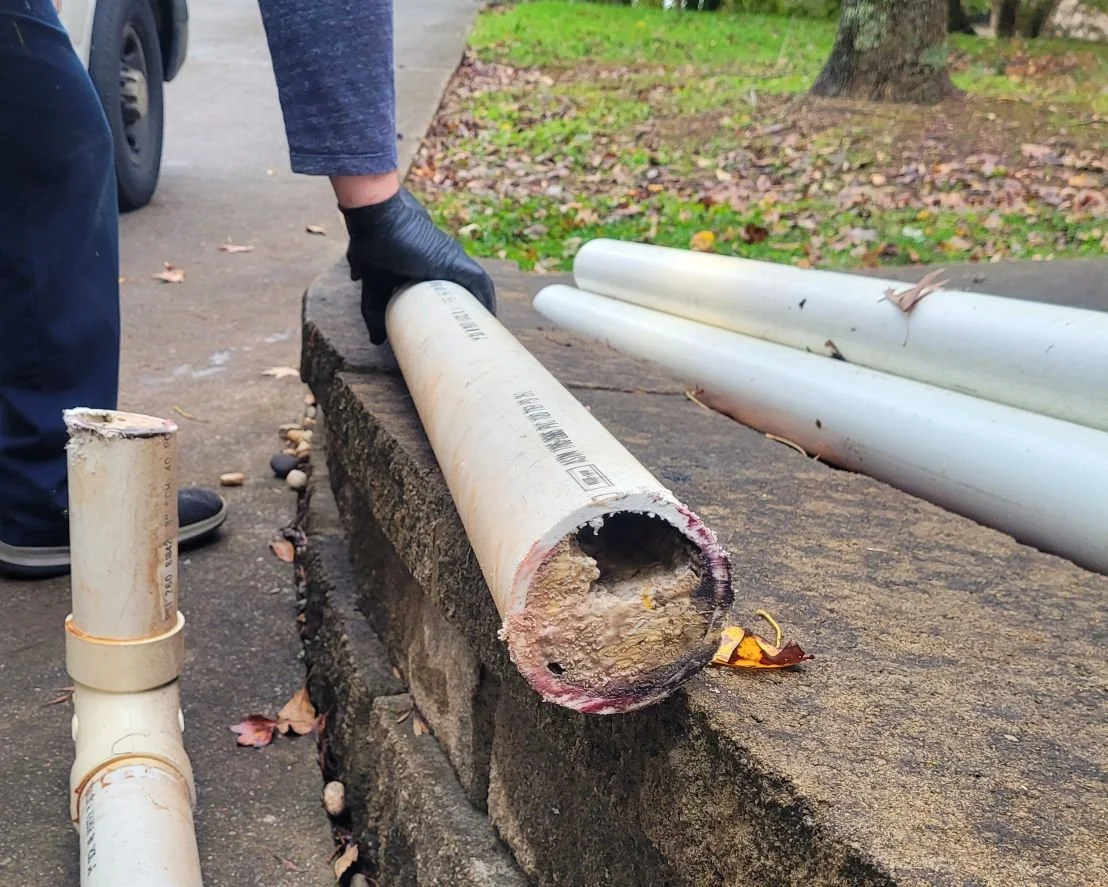
If you’re experiencing these issues, it’s likely a deep main line clog, tree root intrusion, or a collapsed underground pipe. All of these issues require a professional sewer line inspection and cleanout, often with an excavation and pipe repair as well.
Multiple Slow Drains or Backups: What Can You Do?
If you realize your kitchen sink is draining slowly, it’s more likely that you simply have a localized clog under the counter. But if your kitchen sink, your bathroom shower, and your guest toilet are all backing up or draining slowly at the same time, the issue is likely much deeper in the sewer system.
Try Out the Gurgling Toilet Test
Have you noticed that your toilet bubbles and gurgles when you run the washing machine or let the bathwater drain? That’s because the wastewater can’t get past the blockage in the main pipe and the trapped air has nowhere else to go. That air pushes its way up through the water and through your toilet bowl, resulting in that bubbling. If you see water rising in your shower stall every time you flush a toilet, that means your main line is full and you need to stop running your water immediately. Otherwise, you’ll only cause a messy backup on your floors.
How to Handle a Main Blockage
It’s often useless and potentially harmful to use liquid drain cleaners if the main line is completely blocked. Those harsh chemicals can work against you by eating away at older cast iron pipes and the sealants, glues, or fittings.
The best course of action is for a professional plumber to find the main sewer cleanout. They’ll use this is an access point to run a heavy-duty motorized drain snake or a high-pressure hydro-jet through the sewer line. These professional measures are usually the only thing that’s going to help you clear out the packed debris, wet wipes, and grease buildup without causing more damage or wasting your time and money.
How Tree Roots Grow Inside Sewer Pipes
Tree roots are constantly looking for moisture and nutrients underground, and that’s exactly what your sewer pipe is filled with. The joints between the pipe sections can loosen or crack over time, and once a root finds its way into the pipe, it’ll grow and spread quickly inside the entire system. This creates a thick web that acts like a net, catching toilet paper, grease, and waste while building a solid blockage that stops everything from running properly.
Ways of Fighting Back Against Root Invasion
If your home is surrounded by mature oak or pine trees, like most of ours in Cumming or Alpharetta, root intrusion is a highly common problem. We recommend using a specialized drain snake fitted with sharp cutting blades to periodically clean your sewer lines out and keep them flowing smoothly. This tool cuts through any roots inside the pipe, restoring flow and alleviating pressure. We want to be clear that cutting away the roots will only fix the issue temporarily because they’ll simply continue to regrow.
That’s why also getting a sewer camera inspection is a great idea, so that you can spot where there might be some root trouble that made its way into the line. Only then can we actually address the broken pipe or joint itself and repair it to keep roots from regrowing.
Spotting a Broken or Collapsed Pipe Underground
A broken or collapsed underground pipe shows different symptoms than a simple clog, like:
A strong, persistent sewer gas smell around your yard or basement
A strange, sunken wet and muddy spot in your lawn even when it hasn’t rained
A highly-fertile patch of grass in your yard above your sewer line
Quite often, pipes can suffer from what plumbers call a "belly" or a sag. This happens when the soil underneath the pipe settles or washes away, causing a section of the line to sink and bow. Waste can get trapped in these low spots instead of flowing naturally downward, which creates recurring blockages in the sewer system. We find these problem areas by using our sewer camera to locate any areas with standing water within your sewer line.
Repairing Underground Lines
Fixing a broken or collapsed pipe isn’t easy work. It requires experienced underground plumbing expertise and tools. Depending on the situation,RX Plumbing is able to use trenchless technology to avoid excavating your yard while still fixing your sewer line. Most of the time, we use RX excavators for targeted excavation to reach and repair the broken sections while causing minimal disruption to your lawn. Using a camera inspection before the dig is very helpful, as it allows us to pinpoint the exact location of the break so that our digging remains minimal.
Frequently Asked Questions
Can I flush flushable wipes if I have a good sewer line?
No, don’t do it even if the package says they’re flushable or biodegradable. Unlike toilet paper, these wipes don’t break down quickly in water. They can snag onto debris in your line and have ended up being one of the main causes of sewer line blockages.
How often should a home sewer line be cleaned?
It’s a smart move to schedule preventative sewer line cleanings every one or two years if your home has mature trees nearby or older pipes. For newer homes with PVC pipes and no tree root issues, there’s no need to clean the line unless you notice slow drains.
Does homeowners insurance cover a collapsed sewer line?
Standard policies typically don’t cover repairs for collapsed sewer lines due to old age, wear and tear, or tree root damage. However, many insurance companies offer an optional "service line coverage" rider that you can add to your policy and get your sewer line protected against underground pipe failures.
When It’s the Right Time to Bring In a Professional Plumber
Working on a main sewer line is not a DIY project. It requires heavy specialized machinery, safety equipment, and a deep understanding of local North Georgia plumbing codes.
You need to reach out to alicensed and insured plumbing professionalif you spot any of these:
Waste actively backing up into your tubs or lower-level drains
Tree roots damage to your underground plumbing
Wet spots or foul odors in your yard
The need for a camera inspection before a home purchase
If you’re experiencing recurring drain problems or any of the above, get in touch with us and check out ourcoupons pageto see if you can save some money.